

In a significantly competitive employment landscape, academic requirements continue steadily to enjoy an essential role in career advancement. Based on international job market studies, around 72% of mid-to-senior stage work postings now involve approved academic credentials. Employers are placing stronger increased exposure of conformity, background verification, and credential credibility to make sure workforce reliability. For professionals discovering academic pathways, knowledge how diploma services alternatives officially through licensed institutions is essential to safeguarding long-term career prospects.

Why Accreditation Matters
Accreditation is a proper recognition given by authorized educational bodies. It guarantees that an institution meets recognized academic and working standards. Data from international training boards suggest:
81% of employers validate levels throughout hiring.
64% of businesses perform third-party history checks.
37% of HR specialists have encountered falsified qualifications within the last few five years.
These figures demonstrate why evidence operations are becoming stricter worldwide.
How Employers Validate Academic References
Modern verification processes are digital, quickly, and thorough. Most organizations today use:
Strong university proof portals
Global credential evaluation agencies
Blockchain-based academic history techniques
National qualification sources
This development reflects a broader movement toward visibility and fraud avoidance in skilled hiring.
The Rise of On the web Approved Degrees
Range learning has expanded significantly within the last decade. In 2025 alone:
On the web enrollment increased by 19% globally.
58% of person learners chosen variable digital programs.
Over 3,000 licensed institutions now offer completely distant degrees.
Online licensed levels provide reliable alternatives for working professionals seeking flexible academic development without reducing authenticity.
Risks of Unrecognized Requirements
Picking unaccredited or doubtful programs may cause critical professional problems, including:
Job provide withdrawal
Employment firing
Legitimate difficulties in managed industries
Visa or immigration denial
Permanent reputational damage
Several industries such as for example healthcare, executive, fund, and legislation conduct essential credential audits before accreditation professionals.
Just how to Recognize a Legitimate Level Program
Before enrolling, contemplate the following checklist:
Verify institutional accreditation through formal regulatory bodies.
Evaluation bodily university facts and governance transparency.
Verify faculty requirements and curriculum structure.
Check always alumni employment outcomes.
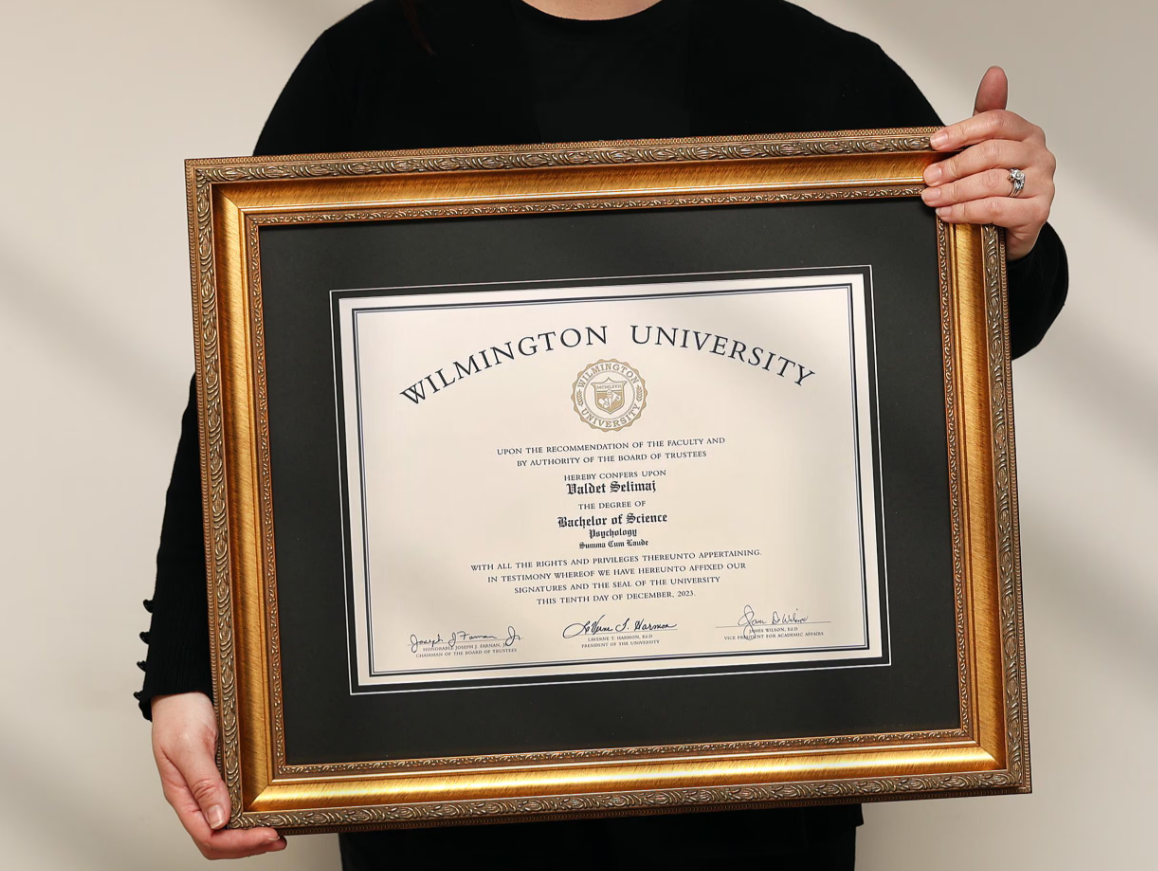
Validate electronic evidence capabilities.
Reliable institutions provide clear certification and third-party validation.
Business Styles in 2026
The training industry is considering quick modernization. Key developments contain:
AI-based history proof
Electronic academic transcripts
Secure QR-based amount authorization
Worldwide academic credential sources
These methods ensure it is increasingly hard for non-verified qualifications to move skilled scrutiny.
Why Experts Choose Recognized Academic Pathways
Job stability, global freedom, and wage advancement usually be determined by confirmed qualifications. Research shows that people with approved levels make 24–35% higher salaries in comparison to those without recognized credentials.
Employers value:
Institutional credibility
Standardized assessment strategies
Honest compliance
Clear academic record
Qualified growth is dependent upon reliability, and reliability begins with respectable education.
Ultimate Feelings
Academic requirements stay one of the very most powerful tools for job advancement. Nevertheless, authenticity and accreditation are no more optional—they are mandatory in an electronically verified world. Specialists seeking growth must prioritize recognized institutions, approved references, and agreeable academic pathways.